
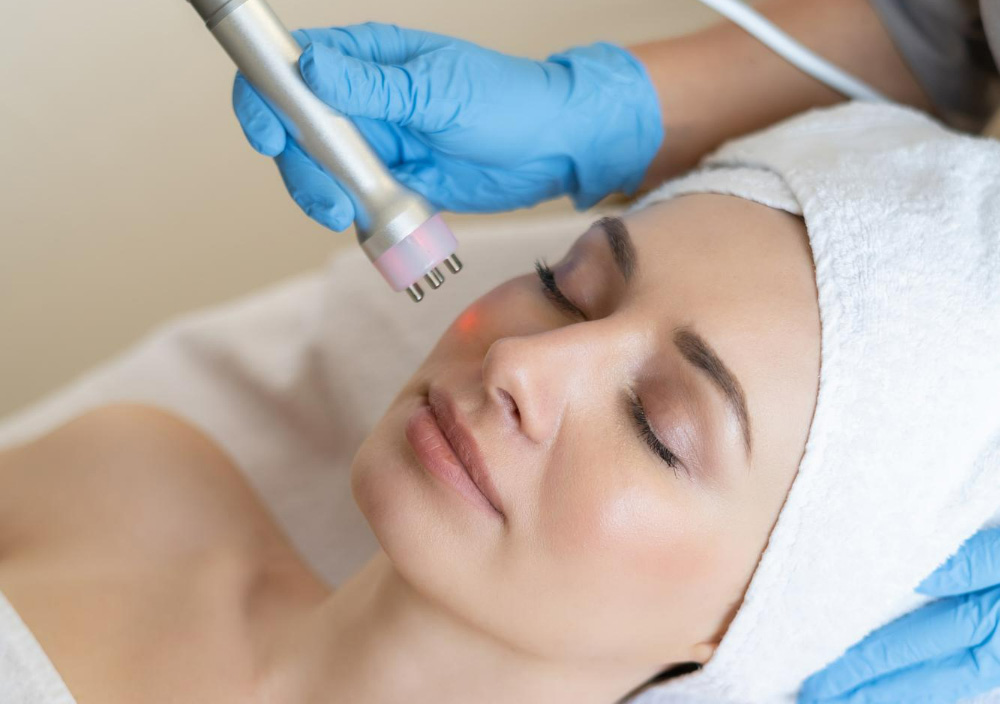
Non-invasive aesthetic treatments have become much more popular in the United States in recent years, and this trend continues in 2026. More people want facial rejuvenation without surgery because it means less recovery time, lower costs, and results that look natural instead of artificial.
The American Society of Plastic Surgeons reports that minimally invasive cosmetic procedures are now more common than surgical ones. This shows that people are choosing preventative care and gradual improvements instead of dramatic, one-time surgeries.
So are non-surgical facelift treatments worth it in 2026? For the right candidate, the answer is yes.
This blog explains what non-surgical facelifts are, how they work, who they help most, and what results you can realistically expect.
What Is a Non-Surgical Facelift?
A non-surgical facelift refers to several non-invasive or minimally invasive treatments that lift, tighten, and refresh the face without surgery. Unlike a traditional facelift, there’s no anesthesia, no cutting, and no long recovery time.
The goal is similar to surgery in some ways: to tighten loose skin, improve facial shape, reduce fine lines, and help you look younger. The main difference is how it’s done. Non-surgical treatments boost your body’s own collagen instead of moving tissue around.
How Does a Non-Surgical Facelift Work?
Most non-surgical facelift treatments rely on one or more of the following mechanisms:
- Collagen stimulation: Controlled heat or energy delivered to the dermis signals the body to produce new collagen, which firms and plumps the skin over time.
- Skin tightening: Technologies such as radiofrequency (RF) heat the deeper layers of skin, causing existing collagen fibers to contract and new ones to form.
- Improved circulation: Treatments like lymphatic drainage and infrared therapy increase blood flow and decrease fluid retention, giving the face a clearer, more sculpted look.
- Facial contour enhancement: Manual tools and targeted energy work together to define the jawline, cheekbones, and neck.
Why Are Non-Surgical Facelifts So Popular in 2026?
The Shift Toward Natural Results
Aesthetic trends have moved away from the “done” look. Patients today want improvements that are gradual and believable. Non-surgical treatments deliver subtle, progressive changes rather than overnight transformations, which fits well with how people want to look and be perceived.
Less Downtime and Lower Risk
A traditional facelift carries surgical risks including anesthesia complications, infection, and weeks of recovery. Non-surgical alternatives typically involve mild redness at most, with patients returning to work or daily activity the same day. That combination of low risk and no downtime appeals to busy schedules in cities like New York.
Advances in Skin Tightening Technology
Devices like Venus Versa now combine multiple technologies including RF energy, Intense Pulsed Light, and Pulsed Electromagnetic Fields into a single treatment session. These multi-modal platforms deliver more comprehensive results than older single-technology systems, making non-invasive facelift options more effective than they were even five years ago.
Preventative Aging Is Becoming More Popular
Younger patients in their late 20s and 30s are starting facial rejuvenation treatment earlier to slow visible aging before it becomes pronounced. Non-surgical treatments are well suited to this approach because they can be done in series over time without the permanence or commitment of surgery.
Best Non-Surgical Facelift Treatments Available Today
Several treatment types contribute to what providers and clients call a non-surgical facelift. The most effective results often come from combining more than one modality, customized to the individual’s skin type and concerns.
Venus Versa for Facial Rejuvenation
The Venus Versa system combines Multi-Polar Radiofrequency, Intense Pulsed Light (IPL), and Pulsed Electromagnetic Fields (PEMF) to address multiple skin concerns simultaneously. RF energy heats the deeper dermal layers to stimulate collagen and elastin production, IPL targets discoloration and uneven tone, and PEMF enhances circulation and tissue response.
At Skylight Beauty Spa in Manhattan, Venus Versa treatments are used on the jawline, cheeks, neck, and forehead to achieve skin tightening and a more refreshed facial appearance. Sessions are comfortable and most clients describe the sensation as similar to a warm massage. A typical plan involves six to eight sessions spaced weekly, with results continuing to improve as collagen production increases over weeks.
Radio Frequency Skin Tightening
Radio frequency skin tightening uses RF energy to heat the dermis to a controlled temperature, typically between 122 and 167 degrees Fahrenheit. This triggers the body’s natural healing response, prompting production of new collagen and elastin. The surface of the skin stays cool while the energy works at depth, making it a comfortable and safe option for most skin types.
Ideal candidates are those with mild to moderate skin laxity, fine lines around the jawline or neck, and early signs of aging. RF treatments produce gradual results that continue improving for one to three months after a completed session series. A standard plan at Skylight Beauty Spa involves three to six sessions spaced two to four weeks apart.
Facial Wood Therapy
Facial wood therapy uses specially crafted wooden tools to apply targeted pressure and movement across the face and neck. The technique helps contour the face, reduce puffiness, and stimulate lymphatic drainage, which moves excess fluid away from the tissues. Over time, regular sessions can help define the jaw, reduce tension, and increase overall facial symmetry.
This is a gentle, non-invasive option that pairs well with other technologies. It works particularly well for clients dealing with facial bloating, early jowling, or a desire for improved facial definition without any energy-based treatment.
Lymphatic Drainage Treatments
Lymphatic drainage massage for the face is a therapeutic technique that encourages the natural flow of lymph fluid, reducing puffiness and fluid retention. The result is a clearer, more defined facial structure. Chronic puffiness around the eyes, cheeks, and jaw often responds well to this approach.
When incorporated into a wider facial rejuvenation plan, lymphatic drainage enhances how other treatments perform by improving circulation and reducing tissue congestion.
Infrared Therapy for Skin Health
Infrared bed therapy uses light energy that penetrates beneath the skin’s surface, improving blood circulation and supporting tissue repair. On the face, improved circulation means better delivery of oxygen and nutrients to skin cells, which supports the recovery process after other treatments and promotes a healthier baseline skin tone.
Infrared therapy is often used as an additional treatment alongside RF or Venus Versa sessions to optimize recovery and increase overall results.
Non-Surgical Facelift vs Surgical Facelift
The table below compares both approaches across the factors most relevant to patients considering their options:
| Factor | Non-Surgical Facelift | Surgical Facelift |
| Downtime | None to minimal | 2-4 weeks |
| Cost | Lower; varies by sessions | Higher; single procedure |
| Risk | Low; no incisions | Higher; surgical risks |
| Results | Gradual, subtle lifting | More dramatic, immediate |
| Recovery | Return same day | Extended healing period |
| Longevity | 6-18 months with maintenance | 5-10 years |
Surgical facelifts remain the most effective option for significant skin laxity and advanced aging. However, for patients seeking gradual improvement, lower risk, and no recovery time, non-surgical treatments offer real value.
Who Is a Good Candidate for a Non-Surgical Facelift?
Mild to Moderate Skin Laxity
Patients who are beginning to notice softening along the jawline, slight looseness in the neck, or early jowling but do not yet have pronounced sagging are well suited to non-surgical approaches. These treatments work best when there is still adequate skin structure to respond to collagen-stimulating energy.
Early Signs of Aging
Fine lines, uneven skin tone, and mild texture changes are responsive to the technologies used in non-surgical facelift treatments. Patients in their mid-30s through early 50s often see strong results.
Individuals Looking for Natural-Looking Results
Patients who want improvement that reads as healthy and refreshed rather than altered or operated on are good candidates. Non-surgical treatments produce incremental changes that tend to look more natural than surgical correction.
Those Not Ready for Surgery
Whether due to medical reasons, personal preference, or simply timing, many patients are not ready to commit to surgery. Non-surgical facelift alternatives allow meaningful improvement without that commitment.
Who May Need More Than a Non-Surgical Facelift?
Non-surgical treatments have real limitations. Patients with significant skin laxity, deep jowling, or advanced volume loss may not achieve their goals through non-invasive means alone. In those cases, a consultation with a board-certified physician is appropriate to discuss whether surgical options are more suitable.
Realistic expectations matter. Non-surgical facelift results are gradual and require maintenance. They do not replicate the degree of lifting achievable through surgery, and patients who approach them expecting surgical outcomes are likely to be disappointed. A qualified provider will assess each patient’s starting point and communicate clearly about what is and is not achievable.
What Results Can Patients Expect?
Immediate Improvements
Some patients notice improved skin complexion and a subtle tightening sensation immediately after a session. This is largely due to temporary collagen contraction from heat. Puffiness may also be reduced after lymphatic drainage or infrared sessions.
Progressive Collagen Production
The more significant results from RF and Venus Versa treatments develop over the weeks following sessions, as newly stimulated collagen fibers form and mature. Most patients see the clearest improvement four to eight weeks after completing a series.
Long-Term Maintenance
To sustain results, periodic maintenance sessions are needed. Collagen production naturally declines with age, so ongoing treatment every few months helps preserve the improvements achieved.
A general timeline: subtle changes may be visible within a few sessions; more defined improvement appears around four to six weeks into a series; peak results tend to arrive two to three months after the full series is complete.
How Long Does a Non-Surgical Facelift Last?
The duration of results depends on a number of factors:
- Treatment type: RF and Venus Versa results typically last six to eighteen months. Lymphatic drainage and wood therapy produce shorter-lived benefits that build over repeat sessions.
- Age and skin condition: Younger patients with stronger baseline collagen levels tend to retain results longer.
- Lifestyle: Sun exposure, smoking, hydration, and skincare habits all influence how well results hold.
- Maintenance schedule: Patients who commit to periodic touch-up sessions extend their results significantly.
Are Non-Surgical Facelifts Worth the Cost?
Benefits
- No surgery, no incisions, and no anesthesia required
- Minimal downtime; most patients return to normal activity the same day
- Natural-looking results that develop gradually
- Lower cost than surgical procedures in most cases
- Customizable to the individual’s particular concerns
Limitations
- Results require ongoing maintenance sessions to sustain
- Not a replacement for surgery in cases of significant skin laxity
- Results are more subtle than surgical correction
For many individuals experiencing early signs of aging, a non-surgical facelift can provide meaningful improvement without the commitment, downtime, and cost associated with surgery.
The Approach to Non-Surgical Facial Rejuvenation at Skylight Beauty Spa
Skylight Beauty Spa in Manhattan offers a customized approach to non-surgical facial rejuvenation. Each client begins with an assessment to identify their specific skin concerns and goals before any treatment plan is created.
The primary technologies used for facial work include Venus Versa for multi-modal skin tightening and rejuvenation, radio frequency skin tightening for deliberate collagen stimulation, facial wood therapy for contouring and lymphatic stimulation, and lymphatic drainage massage to improve facial clearness and definition.
Treatment plans are built around what the client’s skin reacts to and what their schedule allows. Most clients benefit from a series of sessions instead of isolated appointments, and maintenance intervals are discussed openly so expectations are well established from the start.
Skylight Beauty Spa is located at 143 West 29th Street, Suite 204, New York, NY 10001. Appointments can be booked online or by calling (347) 998-4343.
Final Thoughts: Are Non-Surgical Facelifts Worth It in 2026?
For patients with early signs of aging who are looking for natural improvement without surgical risk or recovery, non-surgical facelift treatments are worth considering in 2026. Technologies like Venus Versa and RF skin tightening have become more effective and more accessible, and combining them with supportive treatments like lymphatic drainage and wood therapy can produce results that hold up well over time.
These treatments are not a permanent fix, and they are not suitable for everyone. But for the right candidate with realistic expectations together with dedication to maintenance, a non-surgical approach to facial rejuvenation offers real, meaningful results.
To learn more or schedule an individualized consultation at Skylight Beauty Spa in Manhattan, call (347) 998-4343.
FAQs
What is the best non-surgical facelift treatment?
There is no single best treatment for everyone. Venus Versa and radio frequency skin tightening are among the most effective options for skin tightening and collagen stimulation. Many clients benefit most from a combination of modalities customized to their particular concerns. A tailored consultation is the most reliable way to identify the right approach.
Does a non-surgical facelift hurt?
Most non-surgical facelift treatments are well tolerated. RF and Venus Versa sessions are typically described as warm and relaxing. Facial wood therapy involves gentle pressure. Lymphatic drainage is a light massage. Significant discomfort is uncommon and settings are adjusted for each client’s comfort level.
How many sessions are needed?
The number of sessions depends on the treatment type and the individual’s goals. A common plan for RF or Venus Versa involves six to eight sessions spaced one to two weeks apart. Maintenance sessions every two to four months help sustain results. A provider will recommend a specific plan during the initial consultation.
Can a non-surgical facelift replace surgery?
In most cases, no. Non-surgical treatments address mild to moderate skin laxity and early aging concerns successfully. Patients with significant sagging, deep jowling, or advanced volume loss typically need surgical correction to achieve their desired outcome. Non-surgical treatments can, however, delay the need for surgery and maintain results following a procedure.
What age should patients start non-surgical facelift treatments?
There is no fixed minimum age. Some patients begin preventative treatments in their late 20s or early 30s. The treatments are most commonly sought by patients in their mid-30s through early 50s who are starting to notice early signs of aging. A provider can assess whether treatment is appropriate at any age.
How long do results last?
Results vary based on the treatment type, the patient’s age, skin condition, and lifestyle. RF and Venus Versa results typically last between six and eighteen months. Ongoing maintenance sessions extend and preserve results. The National Institute on Aging (https://www.nia.nih.gov/health/skin-care-and-aging) notes that skin naturally loses collagen and elasticity over time, which is why maintenance is a standard part of any non-surgical rejuvenation plan.