
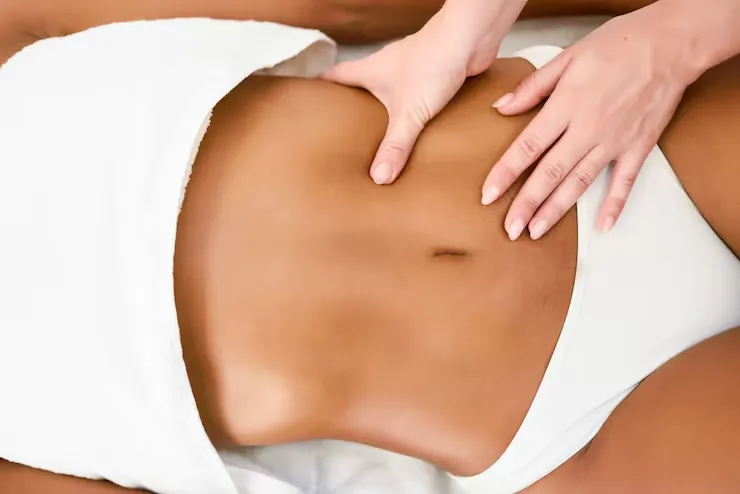
Have you ever woken up with a puffy face, felt swollen after a long flight, or noticed that your body feels heavier than usual? These changes can sometimes happen when fluid builds up in the body’s tissues. A lymphatic drainage massage is a gentle treatment that may help move this fluid and reduce certain types of swelling.
One of the most common questions we hear about this treatment is how often someone should get it. Should you book a session every week, once a month, or only when you feel puffy? The answer depends on your reason for getting the massage, your health, and how your body responds to each session.
At Skylight Beauty Spa, we believe it is important to understand what this treatment can do and how to approach it safely. In this guide, we explain how often you may need a lymphatic drainage massage, what can affect your schedule, and when you should speak with a healthcare professional.
How Often Should You Get a Lymphatic Drainage Massage?
For general wellness or temporary facial puffiness, some people choose to book a lymphatic drainage massage occasionally or about once a week. Others may prefer a session before a special event or after a period of travel. However, there is no single schedule that works for everyone, and weekly treatments are not necessary for every person.
If you are receiving lymphatic drainage massage to manage a medical condition such as lymphedema, your treatment schedule may be very different. A healthcare professional may recommend frequent sessions during the early stage of treatment, followed by less frequent care once the swelling is under control. This plan may also include exercise, compression garments, and skin care.
The most important thing is to choose a schedule based on your needs rather than assuming that more frequent massages will always give you better results.
How Often Should You Get a Lymphatic Drainage Massage for Different Goals?
The reason you want the treatment is one of the biggest factors in deciding how often to book it. Someone looking to reduce occasional facial puffiness may not need the same schedule as someone receiving treatment for ongoing swelling.
For Facial Puffiness
If your main concern is a puffy face, under-eye swelling, or a less defined-looking jawline, you may choose to have a facial lymphatic drainage massage when you notice these concerns. Some people book occasional sessions, while others prefer weekly appointments as part of their personal care routine.
The results can be temporary, especially when puffiness is linked to fluid retention. Your sleep habits, daily routine, and the reason for the swelling can also affect how your face looks. If facial swelling is persistent, painful, or unexplained, it is best to speak with a healthcare professional instead of relying on massage alone.
For Full-Body Puffiness or Fluid Retention
Some people choose a full-body lymphatic drainage massage when their body feels swollen or heavy. If you are using the treatment for general wellness, an occasional session may be enough to see whether it helps you feel more comfortable.
However, repeated or unexplained swelling should not automatically be treated as ordinary fluid retention. If your legs, arms, abdomen, or other areas remain swollen, a healthcare professional can help identify the cause and advise whether lymphatic drainage is appropriate.
After Cosmetic Surgery
Lymphatic drainage massage may be used as part of recovery after certain cosmetic procedures, but the timing and frequency must follow your surgeon’s advice. The correct schedule depends on the procedure, your healing progress, and whether there are any complications.
Do not book a post-surgical massage simply because it is commonly recommended online. Wait until your surgeon has cleared you for treatment and make sure the therapist understands the instructions for your recovery. Massage that begins too early or uses the wrong pressure may be harmful.
For Lymphedema
Lymphedema is a condition in which fluid builds up and causes ongoing swelling, often in an arm or leg. In these cases, manual lymphatic drainage may be part of a treatment plan led by a trained lymphedema professional.
The NHS explains that the early treatment stage can involve daily care for several weeks, followed by a maintenance phase. This is a medical treatment plan, not a schedule that everyone receiving a cosmetic lymphatic drainage massage should follow.
Can You Get a Lymphatic Drainage Massage Every Week?
Yes, some people choose weekly sessions for personal wellness or cosmetic reasons, provided the treatment is suitable for them. However, there is no strong evidence that everyone needs a weekly massage to maintain a healthy lymphatic system.
Your body already has its own lymphatic system, which helps move fluid and supports immune function. Physical activity and normal muscle movement also help lymph fluid travel through the body. A massage can support fluid movement in certain situations, but it does not replace the body’s natural processes.
If you are booking regular sessions, pay attention to how you feel and whether you notice a meaningful benefit. You do not need to increase the frequency just because someone else follows a different routine.
How Long Do Lymphatic Drainage Massage Results Last?
Some people notice less facial puffiness or a lighter feeling after a session. However, results vary, and there is no fixed amount of time that the effects will last.
If swelling is caused by temporary fluid buildup, the improvement may not be permanent. Fluid can collect again depending on the reason for the swelling and your overall health. People managing a medical condition may need a longer-term plan that includes other treatments.
It is also important to understand that lymphatic drainage massage is not a weight-loss treatment. It may temporarily change the appearance of an area by reducing fluid-related swelling, but it does not remove body fat. We encourage clients to have realistic expectations and choose treatment for the right reasons.
What Can You Do Between Lymphatic Drainage Massage Sessions?
Simple daily habits can support normal lymph movement and help you feel comfortable between appointments. Walking, gentle movement, and regular physical activity encourage muscles to contract, which helps move lymph fluid through the body.
Drinking enough water and following a balanced daily routine are also helpful for general health. If you have been sitting for a long time, getting up and moving around can support circulation.
If you have a diagnosed condition such as lymphedema, follow the exercise, compression, and self-massage instructions provided by your healthcare team. Do not try to copy a medical massage technique without learning how to perform it correctly.
Who Should Avoid Lymphatic Drainage Massage?
Although lymphatic drainage massage uses gentle pressure, it is not suitable for everyone. People with certain conditions, including blood clots, an active infection, fever, some heart conditions, or kidney failure, may need to avoid it. A healthcare professional should assess your situation before treatment.
You should also seek medical advice if you have sudden or unexplained swelling, redness, warmth, or pain. Sudden swelling in one leg, particularly when accompanied by pain, can be a sign of a blood clot and needs urgent medical assessment. If you have chest pain or difficulty breathing, seek emergency care.
These precautions are especially important if you are considering massage after surgery or as a way to manage a medical condition.
Get a Personalized Lymphatic Drainage Massage at Skylight Beauty Spa
At Skylight Beauty Spa, we understand that everyone has different reasons for considering a lymphatic drainage massage. Some people want to address facial puffiness, while others are interested in a full-body treatment as part of their wellness routine. We focus on providing a comfortable experience and tailoring the session to your individual goals.
If you are looking for a lymphatic drainage massage in NYC, we invite you to explore our treatment at Skylight Beauty Spa in Midtown Manhattan. We can help you understand the available options and discuss a suitable approach based on your goals. If you are recovering from surgery or have ongoing swelling or a medical condition, please obtain the appropriate medical clearance before booking.
FAQs
How often should you get a lymphatic drainage massage?
The frequency depends on your goals and health. Some people choose occasional or weekly sessions for cosmetic reasons, while people managing lymphedema may need a more structured plan from a trained healthcare professional.
Is it safe to get a lymphatic drainage massage every week?
Weekly sessions may be suitable for some healthy individuals, but not everyone needs them. Speak with a healthcare professional if you have a medical condition, persistent swelling, or concerns about whether regular treatment is appropriate.
How many lymphatic drainage massages do you need to see results?
Some people notice a change in puffiness after one session, while others see little difference. The number of sessions needed depends on the reason for treatment, the person’s health, and the results they experience.
Can lymphatic drainage massage reduce facial puffiness?
It may temporarily reduce some types of facial puffiness by encouraging fluid movement. However, facial swelling can have many causes, and massage may not help when the swelling is related to an underlying medical problem.
How often should you get a lymphatic drainage massage after surgery?
There is no universal schedule. Your surgeon should decide when massage can begin and how often it should be performed based on your procedure and healing progress. Always obtain medical clearance first.
Can lymphatic drainage massage help with weight loss?
No. Lymphatic drainage massage does not directly burn fat or cause lasting weight loss. It may temporarily reduce fluid-related swelling, which can change how an area looks or feels.
What happens if you get lymphatic drainage massage too often?
More frequent sessions do not necessarily produce better results. The treatment may cause side effects such as tiredness, headaches, or nausea in some people. If you experience unusual symptoms or worsening swelling, stop treatment and seek medical advice.
Can you do lymphatic drainage massage at home?
Some gentle self-massage techniques may be suitable for certain people, but it is best to learn the correct method from a qualified professional or healthcare provider. People with lymphedema or other medical conditions should follow individualized instructions.
Sources
1. Cleveland Clinic — Lymphatic Drainage Massage: Explains how the treatment works, its medical uses, possible side effects, and conditions in which it should be avoided. https://my.clevelandclinic.org/health/treatments/21768-lymphatic-drainage-massage
2. NHS — Lymphoedema Treatment: Explains manual lymphatic drainage as part of lymphedema care, including the intensive treatment phase and ongoing maintenance. https://www.nhs.uk/conditions/lymphoedema/treatment/
3. Cleveland Clinic — How to Perform a Lymphatic Drainage Self-Massage: Provides guidance on gentle self-massage and its potential role in easing certain types of swelling. https://health.clevelandclinic.org/lymphatic-drainage-self-massage