
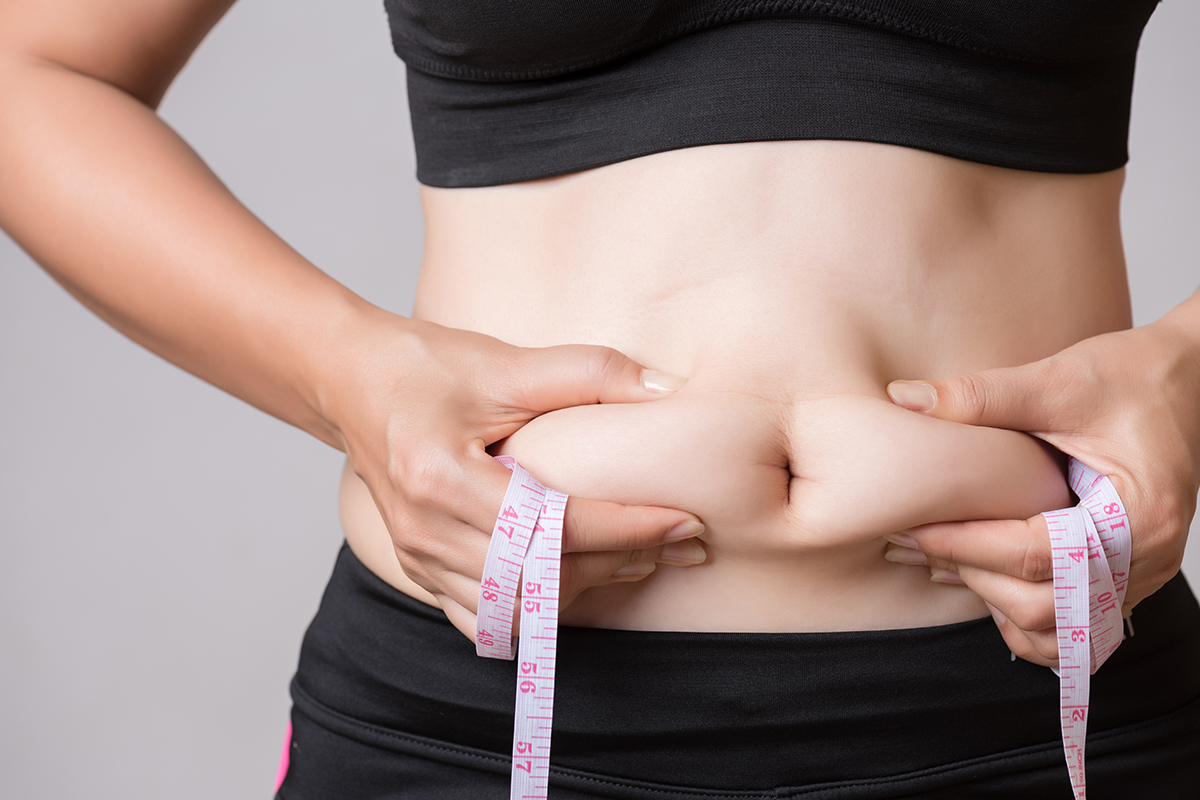
Yes, a lower belly pooch can often be improved without surgery. The best option depends on whether the concern comes from localized fat, loose skin, or limited muscle definition. Body sculpting can address localized fullness, Emsculpt focuses on abdominal muscle stimulation, and RF skin tightening targets mild skin laxity.
At Skylight Beauty Spa, these non-surgical treatments offer various ways to improve the appearance of the lower abdomen without surgery. The right treatment depends on the specific concern and the result being sought.
What is a Lower Belly Pooch?
A lower belly pooch refers to fullness or a rounded appearance in the area below the belly button. This is the part of the abdomen that sits between the hip bones and extends down toward the pubic area. Some people call it a lower-stomach pouch, lower-abdominal pooch, or simply lower belly fat.
Body shapes differ from person to person based on genetics, hormones, age, and life experiences like pregnancy. A small lower belly curve does not automatically mean someone is overweight or unhealthy. Many people who maintain a healthy weight and exercise regularly still notice some fullness in this area.
Is a Lower Belly Pooch the Same as Lower Belly Fat?
The term “lower belly pooch” can describe several conditions, and understanding the differences matters because each may respond to different approaches.
| Possible Cause | What It May Look Like | What May Help |
| Body fat | Soft, pinchable fullness | Overall fat loss through nutrition and exercise |
| Localized stubborn fat | Small resistant pocket | Non-surgical body contouring |
| Loose skin | Thin, lax, or hanging skin | Skin tightening treatments |
| Weak core muscles | Abdomen may protrude despite lower body fat | Core strengthening |
| Bloating | Changes throughout the day | Addressing underlying digestive factors |
| Diastasis recti | Midline bulging after pregnancy | Medical assessment and physical therapy |
This distinction is important because someone doing hundreds of crunches to flatten lower belly fat might actually be dealing with loose skin or bloating, which require entirely different solutions.
Why Is My Lower Belly Pooch So Hard to Get Rid Of?
Several factors can make lower belly fat and fullness particularly stubborn.
Genetics and Where Your Body Stores Fat
Genetics play a major role in determining where the body stores fat and where it loses fat first. Some people naturally carry more fat in the lower abdominal area, and this fat may be the last to reduce even with consistent effort. This genetic pattern is not something lifestyle changes can fully override.
Overall Body Fat
When body fat levels are higher overall, the lower belly tends to show it. Reducing total body fat through a calorie deficit can help, but the body decides where to pull fat from, and the lower belly is often stubborn.
Hormonal and Age-Related Changes
Hormones can influence fat distribution. Cortisol, the stress hormone, has been associated with increased abdominal fat storage in some research. Estrogen fluctuations during menopause may also shift fat distribution toward the midsection. These changes are real, though individual experiences vary.
Weak or Deconditioned Core Muscles
When the deep core muscles are weak or not functioning well, the abdomen may protrude more than it would with stronger muscle tone. Building core strength can improve muscle function and posture, though it does not directly burn the fat sitting on top of those muscles.
Loose Skin After Weight Loss or Pregnancy
This is a major reason for a belly pooch after weight loss or a lower belly pooch after pregnancy. When skin has stretched significantly and then the underlying volume decreases, the skin may not fully retract. The result can be loose, lax skin that creates a pouch-like appearance even when body fat is relatively low.
Bloating and Digestive Changes
A belly that looks flat in the morning but puffy by evening may have a different cause than a stable fat pocket. Bloating from food sensitivities, digestive issues, or fluid retention can create temporary abdominal fullness that mimics a lower belly pooch.
Diastasis Recti
Diastasis recti is a separation of the abdominal muscles along the midline. This condition commonly develops during pregnancy and can cause a visible bulge or doming in the abdomen, particularly when engaging the core.
According to Cleveland Clinic, professional assessment and appropriate physical therapy are recommended for diastasis recti, and certain exercises can actually aggravate the abdominal bulging if done incorrectly.
Can You Get Rid of a Lower Belly Pooch Naturally?
Lifestyle changes can absolutely help, though they work best when expectations are realistic.
Create a Sustainable Calorie Deficit
Losing fat requires consuming fewer calories than the body uses over time. This applies to lower belly fat just as it does to fat anywhere else. The key word is sustainable—crash diets tend to backfire.
Eat a Balanced, Protein-Rich Diet
Protein supports muscle maintenance during fat loss and helps with satiety. A diet built around whole foods, adequate protein, fiber, and reasonable portions tends to support body composition goals better than restrictive approaches.
Do Regular Strength Training
Building muscle throughout the body increases metabolic activity and improves overall body composition. Strength training also creates the muscle definition that becomes visible as body fat decreases.
Add Walking or Cardio
Cardiovascular activity supports overall calorie expenditure and heart health. Walking is underrated, it is accessible, sustainable, and easier to recover from than intense cardio sessions.
Strengthen Your Core
Core exercises build abdominal muscle strength, which can improve posture and create a firmer appearance. The muscles themselves become more defined, though this does not guarantee fat loss from the area.
Get Enough Sleep
Sleep affects hormones that regulate appetite and fat storage. Poor sleep has been associated with increased appetite and difficulty managing weight.
Manage Stress
Chronic stress elevates cortisol, which may influence abdominal fat storage. Stress management is not just a wellness buzzword, it can genuinely affect body composition over time.
Address Bloating
If bloating is a factor, identifying triggers like certain foods, eating habits, or digestive issues can make a noticeable difference in how the lower belly looks.
How to Get Rid of a Lower Belly Pooch Without Surgery
Non-surgical body contouring has become an increasingly popular option for people who want to address localized concerns without going under the knife. They work best for individuals who are already relatively close to their desired weight but have a stubborn lower belly fat, want more muscle definition, or are concerned about mild skin laxity.
Body Sculpting for a Lower Belly Pooch
Body sculpting refers to treatments designed to improve body contour by addressing localized fullness and enhancing the appearance of the abdomen. Rather than a one-size-fits-all approach, these treatments can be customized depending on whether the main concern involves localized fat, muscle definition, or skin firmness.
Emsculpt for Lower Belly Definition
Emsculpt uses electromagnetic energy to generate intense muscle contractions that exceed those achievable through voluntary exercise. These supramaximal contractions can help build and tone abdominal muscles, potentially improving definition and firmness in the lower belly.
This treatment may be particularly helpful for someone already near their target weight who exercises regularly but wants additional abdominal definition. It’s not a weight-loss program and shouldn’t be expected to eliminate a lower-belly pooch for everyone.
Emsculpt vs Exercise
When the concern is primarily loose or lax skin rather than excess fat, RF skin tightening may be more appropriate. This treatment uses controlled radiofrequency energy to heat deeper tissue layers and stimulate collagen remodeling over time.
RF skin tightening may help with mild skin laxity, loose-looking abdominal skin, or reduced firmness after weight changes. The important distinction is that RF treatments focus on the skin itself rather than on fat reduction.
RF Skin Tightening for a Lower Stomach Pooch
When the concern is primarily loose or lax skin rather than excess fat, RF skin tightening may be a more appropriate option. This treatment uses controlled radiofrequency energy to heat deeper tissue layers and stimulate collagen remodeling over time.
RF skin tightening may help with mild skin laxity, loose-looking abdominal skin, crepey texture, or reduced firmness after weight changes. The important distinction is that RF treatments focus on the skin itself rather than on fat reduction. If the main problem is loose skin rather than excess fat, a skin-tightening approach may make more sense than a treatment designed primarily for non-surgical belly fat reduction.
Body Sculpting vs Emsculpt vs RF Skin Tightening
Choosing the right treatment depends on understanding what each one does best.
Comparing Your Options:
| Treatment | Main focus | May Be Useful For |
| Body Sculpting | Body contouring | Localized fullness and overall shaping |
| Emsculpt | Muscle stimulation | Abdominal muscle tone and firmness |
| RF Skin Tightening | Skin firmness | Mild loose or lax skin |
The right option depends on whether the lower abdominal pooch concern is primarily fat, muscle definition, skin laxity, or some combination of these factors.
Can You Get Rid of a Lower Belly Pooch After Pregnancy Without Surgery?
A lower belly pooch after pregnancy is extremely common and can result from several factors working together. Abdominal muscles stretch during pregnancy, fat often accumulates in the midsection, and skin expands significantly.
Postpartum recovery takes time, and many healthcare providers recommend waiting at least several months before evaluating what changes might be permanent. Some degree of loose skin and abdominal softness is completely normal and doesn’t necessarily indicate a problem needing fixing.
For those who want to address a postpartum belly, core rehabilitation with a qualified professional is often a good starting point, particularly if diastasis recti is present. Non-surgical body contouring may be considered once the body has had adequate time to recover.
How Long Does It Take to Get Rid of a Lower Belly Pooch?
Results vary significantly depending on the approach and individual factors.
Natural Fat Loss: The timeline depends on starting body composition, the size of the calorie deficit, activity levels, and individual metabolism. Healthy fat loss generally occurs at about half a pound to two pounds per week, but the lower belly is often among the last areas to lean out.
Non-Surgical Body Contouring: Results from treatments like body sculpting typically develop over time rather than appearing immediately. Multiple sessions may be recommended, with gradual improvements visible over weeks to months.
Skin Tightening: Collagen remodeling is a gradual biological process. RF skin tightening results tend to develop over several months as the skin responds to treatment.
What Does Not Work for a Lower Belly Pooch
Some popular methods may temporarily alter the appearance of the stomach, but they do not address the underlying cause of the lower belly pouch.
- Endless crunches: Strengthen the abdominal muscles but cannot target lower-belly fat.
- Crash diets: May lead to muscle loss and are difficult to maintain over time.
- Detox teas and cleanses: Do not burn or remove body fat.
- Waist trainers: Compress the waist temporarily but do not create lasting fat loss.
- Belly fat supplements: There is little evidence that they can reduce fat in one specific area.
- Quick fix products: Promises of melting belly fat overnight are unrealistic.
How to Tell What Type of Lower Belly Pooch Is Present
A lower belly pooch can have more than one cause. Looking at how the area feels and changes throughout the day can offer some clues.
- Soft, pinchable fullness: Often involves subcutaneous fat beneath the skin.
- Loose or crepey skin: May point to skin laxity, especially when there is little fat underneath.
- Changes throughout the day: A belly that looks flatter in the morning and more rounded later in the day may indicate bloating.
- Bulging or doming: A ridge that appears in the middle of the abdomen during certain movements may indicate diastasis recti and should be evaluated by a healthcare professional.
- Limited definition despite being lean: Muscle tone or loose skin may play a bigger role when there is little excess fat.
How Skylight Beauty Spa Approaches Lower Belly Contouring?
At Skylight Beauty Spa, the goal is not to recommend the same treatment to everyone. Non-surgical body contouring for lower belly concerns works best when the treatment targets the actual cause of the fullness. Someone looking for greater abdominal muscle definition has different needs than someone primarily concerned with localized fat or mild skin laxity.
The team can help evaluate individual concerns and recommend whether body sculpting, Emsculpt, RF skin tightening, or a combination approach might be most appropriate. A personalized assessment helps ensure that time and investment go toward treatments that actually address the underlying concern.
Conclusion
Getting rid of a lower belly pooch depends entirely on what is causing it. Healthy eating, regular exercise, and core strengthening can help reduce overall body fat and improve muscle tone, but these habits cannot specifically target one stubborn fat pocket.
For people who are already close to their desired weight, non-surgical body contouring may be another option worth exploring. Body sculpting, Emsculpt, and RF skin tightening each address different concerns, so the most appropriate approach depends on whether fat, muscle definition, or skin laxity is the main issue.
Ready to learn which approach might work best for your concerns? Schedule a consultation at Skylight Beauty Spa to discuss personalized options for addressing your lower belly pooch without surgery.
FAQs
How do I get rid of my lower belly pooch?
The approach depends on what is causing it. For body fat, overall fat loss through nutrition and exercise can help. For localized stubborn fat, non-surgical body contouring may be an option. For loose skin, skin tightening treatments may be more appropriate. A consultation can help identify the main contributors.
How do you get rid of a lower stomach pooch?
Reducing a lower stomach pooch typically involves some combination of healthy eating, regular exercise, and potentially non-surgical treatments for localized concerns. The specific approach depends on whether fat, skin laxity, muscle weakness, or other factors are contributing.
Can you get rid of lower belly fat without surgery?
Many people can reduce lower belly fat through lifestyle changes including a balanced diet, regular exercise, adequate sleep, and stress management. For stubborn fat that resists these efforts, non-surgical body contouring treatments may help address localized pockets.
Can exercise get rid of a lower belly pooch?
Exercise supports overall fat loss and can strengthen abdominal muscles, which may improve how the midsection looks. However, exercise cannot specifically target fat loss from one area. Results depend on overall body fat levels and individual factors.
Why do I have a lower belly pooch even though I am skinny?
A lower belly pooch in someone who is otherwise lean could be due to weak core muscles, loose skin, bloating, posture, or simply normal variation in body shape. Some people naturally carry a small amount of fat in this area regardless of overall weight.
Can Emsculpt help with a lower belly pooch?
Emsculpt may help improve the appearance of the lower belly by strengthening and toning the abdominal muscles. It works best for people already near their target weight who want more muscle definition rather than significant fat reduction.
Does RF skin tightening help a lower stomach pooch?
RF skin tightening can help address mild skin laxity that contributes to a lower stomach pooch. It works by stimulating collagen production to improve skin firmness. It is not primarily a fat reduction treatment.
Can body sculpting get rid of lower belly fat?
Body sculpting treatments designed to reduce fat may help address localized lower belly fat that has been resistant to diet and exercise. Results vary based on individual factors and the specific treatment used.
How long does it take to reduce a lower belly pooch?
The timeline depends on the approach. Lifestyle changes typically show gradual results over weeks to months. Non-surgical treatments often require multiple sessions with improvements developing over several weeks to months as the body responds.
Can you get rid of a postpartum belly pooch without surgery?
Many people can improve a postpartum belly pooch without surgery through core rehabilitation, healthy lifestyle habits, and potentially non-surgical treatments. The most appropriate approach depends on whether the concern involves fat, muscle separation, loose skin, or a combination.