
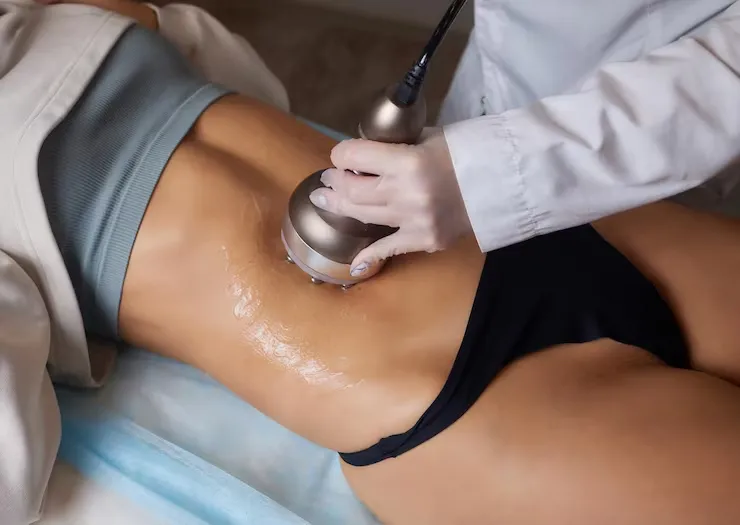
If you are thinking about ultrasonic cavitation, one of the first things you may want to know is whether it is safe. It is a fair question. Any treatment that uses energy on the body should be chosen carefully, even when it does not involve surgery.
Ultrasonic cavitation is a non-surgical body contouring treatment that uses ultrasound energy on targeted areas of the body. Depending on the device being used, ultrasound energy can affect fat tissue under the skin. The goal is usually to improve the appearance and shape of a treated area rather than to cause overall weight loss.
At Skylight Beauty Spa, we understand that people want to know what a treatment actually does before they try it. So, in this guide, we will explain how ultrasonic cavitation works, its possible side effects, who may need to avoid it, and what you should ask before treatment.
Is ultrasonic cavitation safe?
For the right person and when an appropriate device is used correctly, ultrasonic body contouring can be well tolerated. Clinical studies of ultrasound-based body contouring have reported temporary side effects such as mild discomfort, swelling, redness and bruising.
However, it would not be accurate to say that ultrasonic cavitation is completely risk-free. The FDA explains that ultrasound body-contouring treatments can cause problems such as pain or discomfort, redness, swelling, blisters, burns and, in some cases, nerve damage. The exact risks depend on the type of ultrasound device, how it is used, and the area being treated.
This is why we believe safety should come before results. A good treatment should start with understanding your goals, your health history and whether the treatment is appropriate for you.
How does ultrasonic cavitation work?
Ultrasonic cavitation uses sound waves that are above the range that people can hear. In some body-contouring devices, the ultrasound energy is directed toward the fat layer beneath the skin.
The FDA explains that therapeutic ultrasound can affect fat tissue and may cause fat cells to rupture, which can reduce the circumference of a treated body area. Ultrasound also requires good contact with the skin, which is why ultrasound gel may be used during treatment.
It is important to understand that this is body contouring, not a weight-loss treatment. Non-invasive body contouring is intended to change the appearance or shape of a specific area. It does not treat obesity and should not be viewed as a replacement for healthy eating, exercise or medical weight management.
ALSO READ: What to Do Before and After Ultrasonic Cavitation?
What are the common ultrasonic cavitation side effects?
Most people looking into this treatment want to know what they may feel afterward. Possible side effects can include temporary redness, swelling, tenderness or discomfort in the treated area.
Research on ultrasound-based body contouring has reported mild to moderate discomfort, bruising and swelling, with these effects generally being temporary in the studies reviewed.
A review of ultrasound treatments for body contouring also found that reported side effects were generally limited, with procedural pain, redness after treatment and swelling among the possible effects.
That does not mean every person will experience these effects. Your response can depend on the treatment area, the device, the energy settings and your individual skin and health.
Can ultrasonic cavitation burn your skin?
It is possible for ultrasound energy to cause a burn if it is not used correctly. The FDA specifically warns that therapeutic ultrasound can cause burns in tissue. Proper skin contact and appropriate use of the device are important parts of reducing this risk.
This is one reason we do not recommend choosing a treatment based only on a low price or a promise of fast results. The person performing the treatment should understand the device being used and follow its safety instructions.
Who should avoid ultrasonic cavitation?
Not everyone is a good candidate for ultrasound body contouring. The exact restrictions can vary depending on the device and the person’s health, so it is important to discuss your medical history before treatment.
According to the FDA, ultrasound body-contouring procedures should not be performed over open wounds or lesions, compromised skin surfaces, active implanted devices such as a pacemaker or implanted cardioverter-defibrillator, or metal under the skin from an implant or injury.
You should also tell your provider about any medical implants, metal in the treatment area, previous surgery or scars in the area, and the medicines or supplements you take. The FDA recommends discussing these factors with the healthcare provider before non-invasive body contouring.
If you are pregnant, have an active medical condition, have damaged skin in the area, or are unsure whether a treatment is suitable for you, it is better to speak with your doctor or qualified healthcare provider before proceeding. Do not assume that a non-surgical treatment is automatically safe for every person.
Is ultrasonic cavitation painful?
Ultrasonic cavitation is generally described as a non-surgical treatment, and discomfort can be mild for many people. However, everyone’s experience is different.
Clinical studies of ultrasound body contouring have reported mild to moderate discomfort in some patients.
During treatment, you may notice sensations from the device as it moves over the treatment area. If something feels unusually painful or uncomfortable, tell the person performing the treatment rather than trying to tolerate it.
Does ultrasonic cavitation cause weight loss?
No. Ultrasonic cavitation should not be promoted as a weight-loss treatment.
The FDA clearly states that non-invasive body contouring does not treat obesity or produce the health benefits associated with weight loss. Results may also be temporary, and some people may need more than one treatment to achieve the appearance they want.
We look at ultrasonic cavitation as a body-contouring option for people who want to work on the appearance of a specific area, not as a substitute for losing weight.
How can you make ultrasonic cavitation safer?
The first step is choosing a provider who takes your health history and treatment goals seriously. Before treatment, tell your provider about your medications, supplements, implants, previous surgery and any skin problems in the area.
It is also worth asking what type of device will be used, what body area it is intended to treat, what results are realistic and what side effects you should watch for afterward. The FDA recommends understanding the device, its benefits and limitations, and its possible risks before undergoing non-invasive body contouring.
Most importantly, do not expect a treatment to produce the same result for everyone. Your starting body shape, the amount of fat in the area and the specific device can all affect the outcome.
What results can you expect from ultrasonic cavitation?
Ultrasound body contouring is designed to improve the appearance of a targeted area rather than dramatically change your overall body weight.
Research has found that some ultrasound-based body-contouring treatments can reduce fat thickness or circumference in treated areas. For example, clinical research on focused ultrasound has reported reductions in treated-area circumference, while also finding that the treatment was generally well tolerated in the study groups.
Still, results are not guaranteed. The FDA notes that people may not always achieve their desired effect and that results from non-invasive body contouring can be temporary.
Ultrasonic cavitation in NYC at Skylight Beauty Spa
At Skylight Beauty Spa, we know that choosing a body-contouring treatment is a personal decision. Our goal with Ultrasonic Cavitation in NYC is to provide a non-surgical option for people who want to improve the appearance and contour of selected areas of the body.
We focus on explaining what the treatment can and cannot do before beginning. Ultrasonic cavitation is not a weight-loss procedure, and we do not believe in making promises that a treatment cannot keep. If you are considering ultrasonic cavitation NYC, we encourage you to learn about the treatment, understand the possible risks and make sure it is appropriate for your individual needs.
FAQs
How safe is ultrasonic cavitation?
Ultrasonic cavitation can be well tolerated when the appropriate device is used correctly on a suitable person. However, it is not completely risk-free. Possible problems include discomfort, redness, swelling, bruising and, depending on the device, more serious problems such as burns or nerve damage.
What are the main ultrasonic cavitation side effects?
Possible side effects include temporary discomfort, redness, swelling and bruising. Ultrasound treatments can also cause burns if used incorrectly. The exact risks depend on the device and how it is used.
How long do ultrasonic cavitation side effects last?
Minor effects such as redness, swelling or discomfort are often temporary. Clinical studies have reported that mild adverse effects resolved during the study period, but recovery can vary from person to person.
Can ultrasonic cavitation damage your skin?
It can cause skin or tissue injury if ultrasound energy is used improperly. The FDA lists burns among the possible complications of therapeutic ultrasound body contouring. This is why proper device use and skin contact are important.
Can I have ultrasonic cavitation if I have a pacemaker?
You should not assume it is safe. The FDA lists active implanted devices, including pacemakers and implanted cardioverter-defibrillators, among situations where ultrasound body-contouring treatment should not be performed. Always disclose implants to your provider before treatment.