
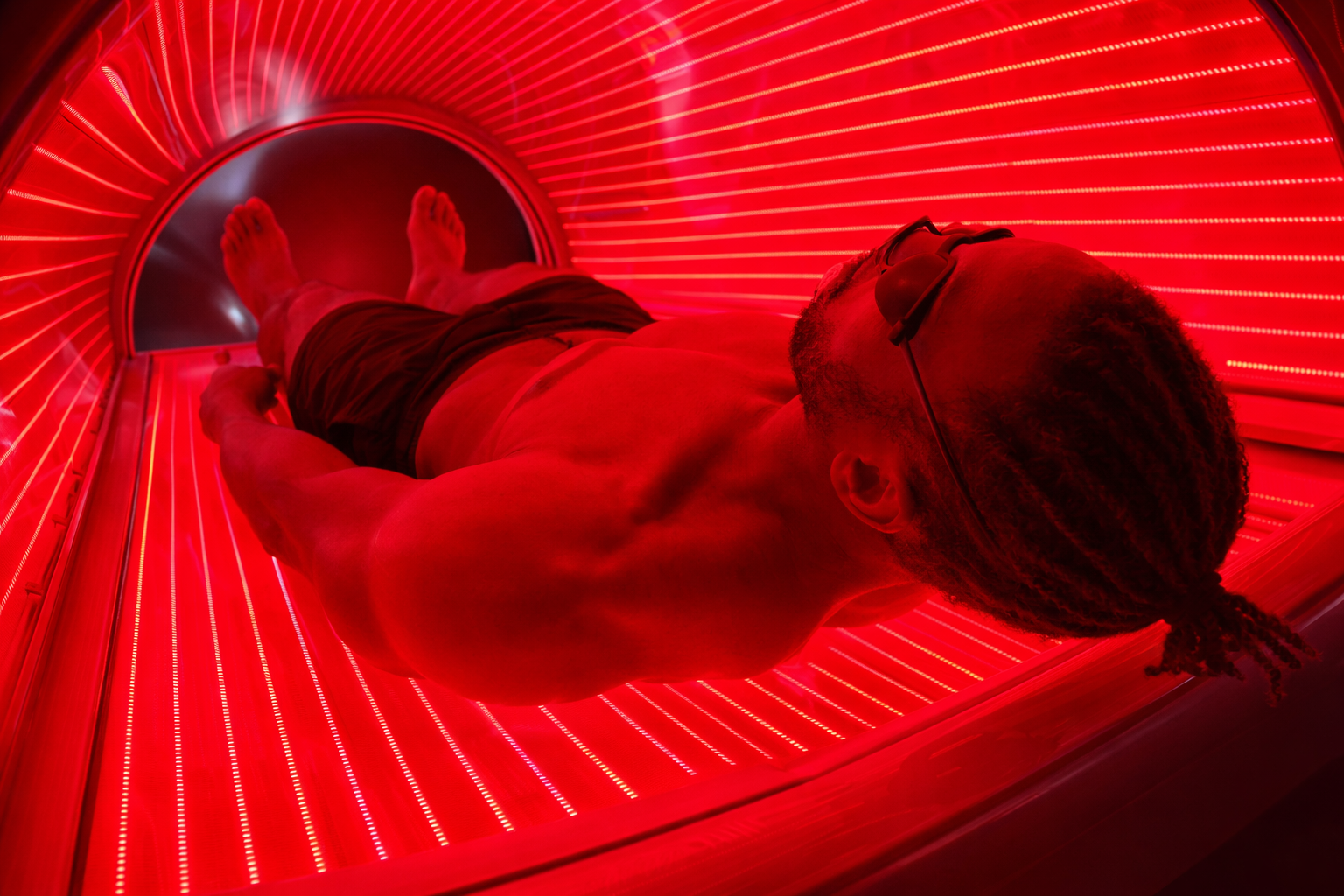
Walk into a modern wellness clinic and you’ll notice a shift. People want relaxation, recovery, and results in the same session. That’s a big reason infrared bed therapy has moved from nice-to-try to must-book in many spaces. At Skylight Beauty Spa, we see the same demand in New York, clients want a comfortable, low-effort way to support muscle recovery, manage everyday aches, and leave feeling lighter and calmer. If you’ve searched for infrared bed therapy NYC, you’re not alone. In this guide, we’ll explain what it is, why it’s trending, what results people report, and what to know about safety before you try it.
What Is Infrared Bed Therapy?
Infrared bed therapy is a wellness session where you lie on a specialized bed that delivers infrared energy, often through panels above and below your body, creating a soothing, warming experience designed to support relaxation and recovery. Unlike a traditional sauna where you sit in a heated room, the bed format feels more contained, more comfortable for many people, and easier to fit into a busy schedule.
How Infrared Bed Therapy Works?
Infrared energy sits on the light spectrum and produces a warming effect that can feel deeper than standard surface heat. During a session, the bed delivers steady warmth while you rest. Most sessions last around 20-40 minutes depending on your comfort level and the clinic’s protocol. Many people describe the experience as “quiet recovery time” because you don’t need to do anything except relax.
How Does It Differ From Traditional Heat Therapy?
Traditional heat therapy often uses hot packs or heated rooms to warm the air or the surface of the body. Infrared systems aim to provide a more targeted warming effect without making the whole room uncomfortably hot. That difference matters for clients who want the benefits of heat but dislike the intensity of a high-temperature sauna.
What are the Major Benefits of Infrared Bed Therapy?
When people ask about infrared bed therapy benefits for health, we keep the conversation grounded and realistic: this isn’t a magic cure, and it doesn’t replace medical care. But many clients use it as a wellness add-on that supports comfort, recovery, and stress management, especially when they stay consistent.
Pain relief and muscle recovery
One of the top reasons people book sessions is infrared bed therapy pain relief support for everyday soreness. Many clients report that heat-based sessions help them feel looser through the hips, back, shoulders, and legs, especially after workouts or long workdays. Wellness clinics highlight this benefit because it matches what clients want right now: faster recovery, less stiffness, and a calmer body.
Where it fits best: post-workout recovery, tight muscles from desk work, and general body tension.
Circulation and Reset Feeling
Clients often describe a reset after sessions, warmer extremities, less heaviness, and a sense that their body feels more awake. Heat can support blood flow and comfort, and that’s one reason many people add infrared sessions to their regular wellness routine.
A quick note on detox: people commonly use the word detox to describe how they feel after sweating and relaxing. Sweating can feel cleansing and refreshing, but your liver and kidneys do the heavy lifting for detoxification. We position infrared sessions as a wellness tool for relaxation and recovery, not a medical detox treatment.
Stress reduction and relaxation
Infrared sessions create a built-in pause. You lie down, you breathe, and your nervous system finally gets a break from constant stimulation. Many clients report better sleep that night, less mental tension, and an overall mood lift. In wellness clinics, this matters just as much as physical recovery because stress shows up everywhere, sleep, energy, appetite, and motivation.
Popular Among Specific Groups
Infrared bed therapy didn’t trend by accident. Certain groups adopted it quickly because it fits their lifestyle and goals.
Athletes and fitness enthusiasts
People who train regularly want recovery tools that don’t add more strain. Infrared sessions feel passive. You rest while the warmth supports relaxation and post-workout recovery. Many fitness-focused clients use infrared bed therapy between training days to stay consistent without feeling run down.
People with chronic tension or inflammation-type discomfort
We see strong interest from clients who deal with recurring stiffness or inflammation-style discomfort. These clients often want noninvasive comfort support that feels gentle and repeatable. Infrared bed therapy fits well as part of a broader wellness routine that may include stretching, hydration, mobility work, and other spa services.
Infrared Bed Therapy vs Other Therapies
| Comparison | How It Works | What It Feels Like | Why Some People Prefer Infrared Bed Therapy |
| Infrared bed therapy vs sauna | A traditional sauna heats the air around you. An infrared bed delivers targeted warmth while you lie down. | Saunas often feel hotter and more intense. Beds feel more controlled and comfortable for many clients. | Clients who dislike hot, steamy rooms often choose the bed because it feels easier to tolerate while still delivering a warming session. |
| Infrared bed therapy vs traditional heat therapy | Heating pads/hot packs warm one area at a time. Infrared beds provide broader, more even warmth across the body. | Traditional heat feels localized. Beds feel full-body and more consistent. | If tension affects multiple areas (back + hips + legs), the bed can feel more efficient than spot-treating one area at a time |
| Infrared bed therapy vs sauna blanket | Sauna blankets wrap around your body and trap heat. Infrared beds deliver warmth without wrapping. | Blankets can feel restrictive or compressed. Beds feel more open and relaxed. | People choose the bed when they want a calming heat experience without feeling enclosed or tightly wrapped. |
Real Results: What Users Report
If you search infrared bed therapy before and after, you’ll see a wide range of experiences. Results depend on consistency, hydration, stress levels, and what you pair it with (mobility, recovery, nutrition, sleep). Here’s what many users commonly report:
After 1-3 sessions
- deeper relaxation during and after the session
- less “tight” feeling in common tension zones
- improved sleep quality that night (for some people)
- a calmer mood and less mental noise
After several sessions
- more noticeable muscle comfort and flexibility
- better recovery between workouts
- fewer days where the body feels “stuck” or heavy
Most people build benefits through routine, not a one-time visit. If your goal involves ongoing comfort or recovery, consistency matters more than intensity.
Safety, Side Effects, and Who Should Avoid It
People also search for infrared bed therapy side effects, and we take that seriously. Heat-based sessions can cause mild side effects, especially if someone arrives dehydrated or pushes session length too aggressively.
Common mild side effects
- temporary skin redness or warmth
- lightheadedness
- fatigue after the session
Simple ways we reduce risk
- we encourage hydration before and after
- we adjust session time based on comfort
- we recommend slow transitions
Who should avoid it or ask a clinician first
We always recommend medical clearance if you:
- have significant cardiovascular concerns or uncontrolled blood pressure
- feel ill, feverish, or dehydrated
- are pregnant (ask your OB-GYN first)
- have conditions where heat exposure creates risk
- take medications that affect heat tolerance or hydration
Infrared bed therapy supports wellness. It doesn’t replace medical evaluation for pain, injury, or chronic symptoms.
Why Clinics Are Adding Infrared Bed Therapy to Services
From a business standpoint, the trend makes sense. Infrared bed therapy:
- feels premium but stays easy to deliver consistently
- fits into a 30-45 minute appointment slot
- complements other wellness services (recovery, relaxation, body care)
- matches what clients want: comfort, calm, and measurable routine
At Skylight Beauty Spa, we also like that the experience feels approachable. Many clients feel more comfortable trying a bed session than committing to an intense sauna environment.
Ready to Try Infrared Bed Therapy in NYC?
If you’ve been searching for infrared bed therapy in NYC and you want a relaxing, recovery-focused session, we’re here for you. At Skylight Beauty Spa, we’ll help you choose a session length that matches your comfort level and your goals. We’ll guide you on simple habits, like hydration and consistency, that help you get the most out of your visits. To book consultation, call us at (347) 998-4343 or visit our website Skylight Beauty Spa.
FAQs
How does infrared bed therapy work?
You rest on a bed that delivers infrared energy as steady warmth. The session aims to support relaxation and recovery through a comfortable heat-based experience.
What are infrared bed therapy benefits for health?
Many people use it to support relaxation, post-workout recovery, and everyday muscle comfort. Results vary, and you should treat it as a wellness add-on, not medical treatment.
Does infrared bed therapy help with pain relief?
Clients often report that heat-based sessions help them feel less stiff and more relaxed. If you have persistent or severe pain, you should consult a licensed medical provider.
What does infrared bed therapy before and after look like?
Before: you may feel tight, stressed, or fatigued. After: many people report feeling calmer, looser, and more refreshed, with consistent sessions.
Are there infrared bed therapy side effects?
Possible mild effects include redness, overheating, and lightheadedness often tied to dehydration. Hydration and appropriate session length reduce risk.
Infrared bed therapy vs sauna: which is better?
It depends on preference. Saunas heat the room; infrared beds often feel more controlled and comfortable because you lie down and avoid extreme ambient heat.