
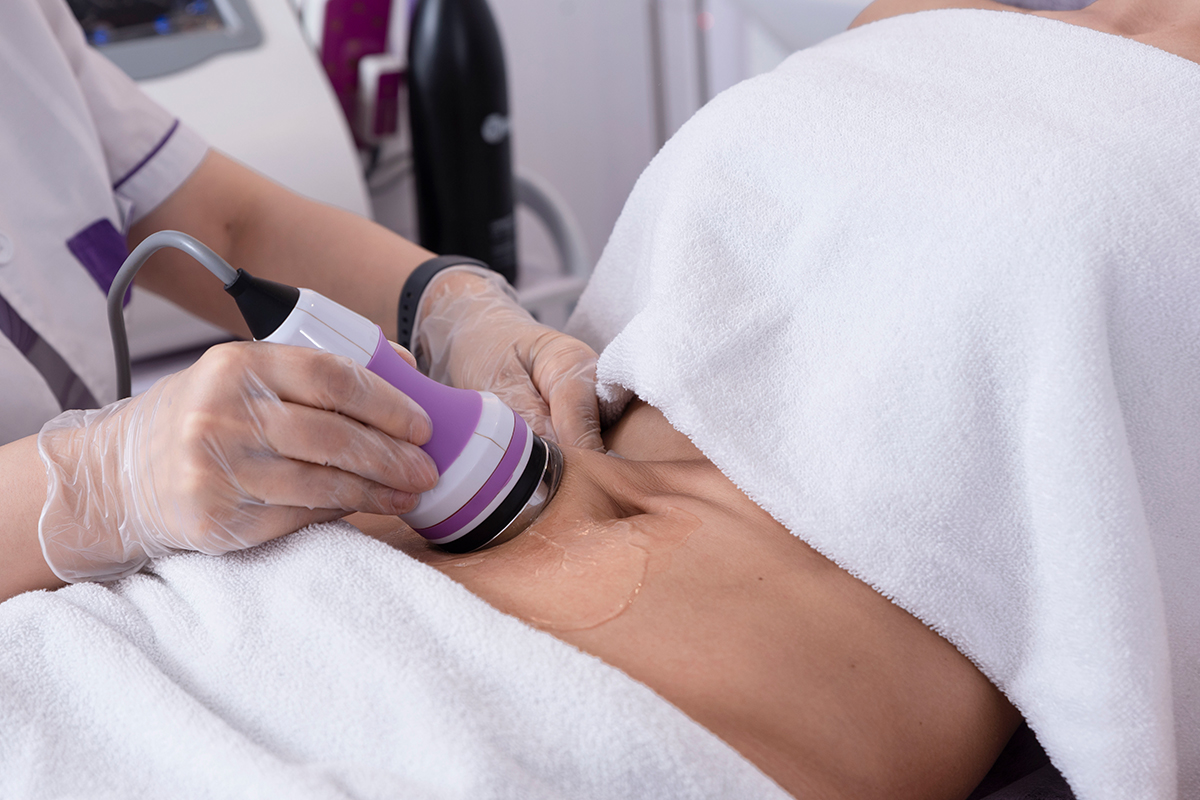
Properly performed ultrasonic cavitation has not been shown to cause blood clots or deep vein thrombosis (DVT) in healthy people. The treatment uses ultrasound energy to target fat cells, while blood clots form inside blood vessels through a different process. However, people with a current or previous blood clot, a clotting disorder, or those taking blood thinners should speak with a healthcare provider before ultrasonic cavitation treatment.
At Skylight Beauty Spa, many clients share safety concerns before trying body contouring options. Our team takes time to explain how ultrasonic cavitation works, discuss individual health factors, and help clients understand what to expect from non-surgical fat reduction treatments.
Quick Answer: Properly performed cosmetic ultrasonic cavitation has not been shown to cause blood clots or deep vein thrombosis (DVT) in healthy people. Ultrasonic cavitation works on fat cells, while blood clots form through a different process in blood vessels. If someone has a current or past blood clotting problem or takes blood thinners, they should check with a healthcare provider before treatment.
Can Ultrasonic Cavitation Cause Blood Clots?
The available evidence has not established cosmetic cavitation as a cause of DVT. That does not mean a blood clot is impossible after every cosmetic treatment. It means there is not enough evidence to identify ultrasonic cavitation as a known cause.
What the evidence tells us:
The FDA lists ultrasound as a type of noninvasive body-contouring technology. It explains that ultrasound energy can enter the fat layer and change fat cells, which may reduce the circumference of the treated area. Possible complications include pain, redness, swelling, blisters, burns, and nerve damage. DVT is not listed as an established general complication of ultrasound body contouring.
Some published studies examine therapeutic ultrasound and blood clots, including research into using ultrasound to help break down an existing clot. Those medical treatments use different equipment, settings, and treatment goals from cosmetic body contouring.
Why Would Someone Worry About Blood Clots After Ultrasonic Cavitation?
Ultrasonic cavitation uses sound energy beneath the skin, so it is understandable that some people may wonder whether it can affect nearby blood vessels.
Another source of confusion is the difference between fat released during body contouring and a blood clot inside a vein. These are completely separate processes. Fat cells disrupted during ultrasonic cavitation NYC release their contents, which the lymphatic system eliminates. By contrast, a blood clot forms when blood components clump together inside a blood vessel, usually a vein.
Fat from cavitation treatment does not enter the bloodstream the same way surgical procedures like liposuction might release fat droplets. The lymphatic system processes the released contents, not the veins. This distinction matters because the two processes work through entirely different pathways in the body.
How Are Blood Clots Actually Formed?
Understanding blood clot formation helps separate real ultrasonic cavitation risks from unlikely concerns.
What is a DVT?
Deep vein thrombosis, commonly called DVT, happens when a blood clot develops in a deep vein. This most often occurs in the legs. A DVT can be serious because the clot may break loose and travel to the lungs, causing a pulmonary embolism, which can be life-threatening.
What Increases the Risk of DVT?
DVT can develop for several reasons. According to the Cleveland Clinic, common risk factors include:
- A previous blood clot
- Long periods of limited movement or bed rest
- Extended travel
- Recent surgery
- Certain blood-clotting disorders
- Pregnancy and recent childbirth
- Cancer and some cancer treatments
- Smoking
- Obesity
- Estrogen-containing medications
- Certain heart and other chronic medical conditions
This context matters because DVT generally has identifiable causes. Cosmetic ultrasonic cavitation NYC has not been identified as one of those causes in healthy individuals.
Can Cavitation Cause Blood Clots?
Having a known blood clot is a different concern from developing a new clot.
Causing a new clot and affecting an existing clot are two distinct concerns. Ultrasound energy does have mechanical effects on tissue and blood, depending on the type of ultrasound, the intensity used, and how it is applied. Research on therapeutic ultrasound, which differs from cosmetic cavitation, has raised questions about its effects on existing thrombi.
For this reason, treatment over an area where a blood clot is known to exist should not be considered safe without proper medical evaluation. Cosmetic ultrasonic cavitation devices are not the same as therapeutic ultrasound equipment or devices designed to treat clots, so findings from one technology should not be automatically applied to another. Still, it’s best to avoid treating areas where blood flow or clot stability may be a concern.
Who Should Avoid Ultrasonic Cavitation or Get Medical Clearance First?
Certain groups of people need to take extra care before considering this treatment.
People With a Current or Previous Blood Clot
Anyone who currently has a DVT or has had one in the past should consult a healthcare provider before having ultrasonic cavitation NYC. The treatment provider also needs to know about this history. Ultrasonic cavitation blood clot concerns are most relevant for people in this category, and individual medical advice is essential.
People With Blood Clotting Disorders
Conditions that affect how ultrasonic cavitation blood clots, whether they make clotting more or less likely, change how the body responds to various treatments. Disclosing any known clotting condition allows the provider to assess whether the ultrasonic cavitation risks are acceptable in each case.
People Taking Blood Thinners
Blood-thinning medications, also called anticoagulants, are prescribed for important medical reasons. Anyone taking these medications should never stop them just to have a cosmetic treatment without explicit instruction from the prescribing doctor.
Never stop an anticoagulant to have a cosmetic treatment unless the doctor who prescribed it specifically tells you to do so.
People With Other Medical Conditions or Risk Factors
Depending on the device and treatment protocol, disclose implanted medical devices such as pacemakers, recent surgery, significant circulation problems, active illness, pregnancy or breastfeeding, cancer or ongoing cancer treatment, and skin problems in the area to be treated.
What Are the Ultrasonic Cavitation Side Effects?
Ultrasonic cavitation side effects are usually mild and temporary. Possible effects include:
- Redness: The treated skin may look slightly red for a short time.
- Mild tenderness: The area may feel tender or sensitive after treatment.
- Minor swelling: Temporary swelling can occur around the treated area.
- Bruising: Some people may develop small areas of bruising.
- Skin sensitivity: The treated skin may feel more sensitive for a short period.
Normal Treatment Effects vs Warning Signs
Knowing the difference between expected responses and symptoms that need attention matters for anyone having this treatment.
| After Treatment | What It May Mean |
| Mild temporary redness | Common local reaction |
| Mild tenderness | Can occur after treatment |
| Local swelling | Temporary occurs |
| One-sided leg swelling or pain | Needs medical assessment |
| Sudden chest pain or trouble breathing | Emergency |
The first three items are normal treatment effects. The last two are not related to typical side effects and require immediate medical attention.
What Are the Warning Signs of a Blood Clot?
Because ultrasonic cavitation blood clots, it’s important to know the symptoms of an actual blood clot.
Possible DVT Symptoms
Deep vein thrombosis often affects one leg more than the other. Warning signs may include swelling, usually in one leg rather than both; pain or tenderness in the leg that may feel like cramping; warmth in the affected area; and skin that appears red or has an unusual color. The Cleveland Clinic identifies these as common symptoms of DVT.
Signs of a Pulmonary Embolism
A pulmonary embolism occurs when a clot travels from a vein to the lungs. Symptoms may include sudden shortness of breath without an obvious cause, chest pain that may worsen with breathing, coughing up blood, and dizziness or fainting. These symptoms can indicate a medical emergency.
When Should You Seek Emergency Care?
Sudden chest pain or difficulty breathing requires urgent medical attention. Do not wait to see if symptoms go away on their own. Call emergency services or go to an emergency room immediately. This advice applies regardless of whether someone has recently had any cosmetic treatment.
Is Ultrasonic Cavitation NYC Safe for Body Contouring?
Ultrasonic cavitation is a non-surgical body-contouring treatment that uses ultrasound energy to target localized areas of fat. It is intended to help change the shape or circumference of a treated area. It is not an obesity treatment and should not be viewed as a substitute for weight management or medical care.
Safety depends on more than the technology itself. The treatment area, device, settings, provider training, medical history, medications, and the manufacturer’s instructions all matter.
A proper health screening can help identify situations where the treatment may not be appropriate.
How Does Skylight Beauty Spa Approach Ultrasonic Cavitation Safety in NYC?
At Skylight Beauty Spa, we offer ultrasonic cavitation NYC as a non-surgical body-contouring option for people with localized areas of stubborn fat. Suitability is considered before treatment begins. Clients are encouraged to disclose medications, medical conditions, and relevant health history during the consultation process.
The goal is localized body contouring NYC, not treating obesity or replacing medical care. Sessions last approximately 20 minutes, and the spa recommends staying well hydrated and maintaining light activity between treatments to support the body’s natural elimination processes.
Nelly and the team create treatment plans around each client’s goals and circumstances. Skylight Beauty Spa in New York has a 4.9-star Google rating based on client reviews.
Ready to Explore Ultrasonic Cavitation in NYC?
If you are considering ultrasonic cavitation for localized fat, a consultation can help you understand whether the treatment is suitable for you. Skylight Beauty Spa can discuss your goals, health history, and available body-contouring options.
Book your ultrasonic cavitation consultation or call us at (347) 998-4343 today to learn more about non-surgical fat reduction options in Midtown Manhattan.
FAQs
Can ultrasonic cavitation cause blood clots?
Current evidence does not show the causes of ultrasonic cavitation blood clots in healthy people when performed correctly. The treatment works through a different mechanism than blood clot formation. However, anyone with clotting risk factors should consult a healthcare provider before treatment.
Can you have ultrasonic cavitation if you have had a blood clot?
A previous or current DVT requires medical advice before having this treatment. The provider also needs to know about this history. Individual circumstances vary, so a healthcare professional should help determine whether the treatment is appropriate.
Can ultrasonic cavitation cause DVT?
Available evidence has not identified DVT, or deep vein thrombosis, as a complication of cosmetic ultrasonic cavitation. DVT typically develops due to factors like immobility, surgery, clotting disorders, or other medical conditions rather than body contouring treatments.
Can ultrasonic cavitation affect an existing blood clot?
Treatment over or near an area with a known blood clot should not be considered safe without proper medical evaluation. While cosmetic ultrasonic cavitation differs from therapeutic ultrasound, use caution when blood flow or clot stability may be a concern.
What are the signs of a blood clot after body contouring?
DVT symptoms may include swelling in one leg, leg pain or tenderness, warmth, and skin discoloration. Pulmonary embolism signs include sudden shortness of breath, chest pain, coughing up blood, and dizziness. Any of these symptoms require immediate medical attention.
Should you tell your provider if you take blood thinners?
Yes. Never stop blood-thinning medication to have a cosmetic treatment without instruction from the prescribing doctor. The treatment provider needs to know about all medications to assess suitability properly.
Is ultrasonic cavitation safe for everyone?
No. Suitability depends on medical history, the specific device used, the treatment area, and individual risk factors. People with certain conditions should avoid the treatment or get medical clearance first.
Is ultrasonic cavitation the same as ultrasound used in hospitals?
No. Ultrasound describes a broad group of technologies with different purposes, energy levels, and applications. Ultrasound used for imaging during pregnancy, therapeutic treatments, and cosmetic body contouring are distinct technologies designed for different outcomes.